Haringey council rules for household rubbish disposal
Posted on 01/08/2026
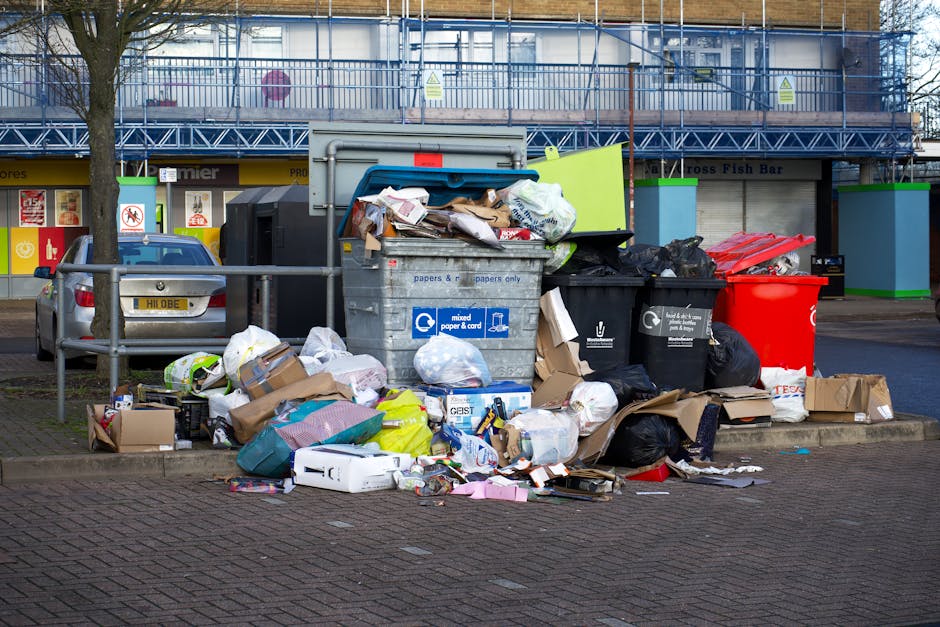
Haringey council rules for household rubbish disposal: what residents need to know
If you live in Haringey, rubbish disposal can feel simple until it suddenly isn't. One day it's a broken chair, the next it's a pile of garden cuttings, a mattress leaning in the hallway, or a loft clear-out that got out of hand. The Haringey council rules for household rubbish disposal are there to keep streets clean, reduce fly-tipping, and make sure waste goes to the right place. They also help you avoid the kind of awkward mistake that can turn into a fine, a refusal at the kerb, or a very messy front garden. Let's face it, nobody wants that.
This guide breaks everything down in plain English: what the rules mean, how household rubbish disposal usually works, what to do with tricky items, and how to stay on the right side of local requirements. You'll also find a practical checklist, a comparison table, and a few real-world examples to make the whole thing easier to use on an ordinary weekday, not just in theory.
Why Haringey council rules for household rubbish disposal Matters
Household rubbish disposal is one of those everyday tasks people barely think about until there's a problem. In a busy borough like Haringey, where flats, terraced homes, estates, and shared access roads sit side by side, the way you put out waste matters more than people sometimes realise. A bag left too early, a bulky item dumped beside a bin store, or recyclables mixed with general waste can quickly become a nuisance for neighbours and a headache for the street.
The council's rules exist for a few sensible reasons. First, they help keep collection routes manageable. Second, they support recycling and reduce contamination. Third, they make it clearer who is responsible for what, especially in blocks of flats or homes with shared bins. And finally, they reduce the chance of waste being left in a way that attracts pests or encourages fly-tipping. You can almost smell the difference on a warm day if waste is handled badly. Not ideal.
It also matters because rubbish removal is one of those areas where a small misunderstanding can cause a bigger problem. A broken washing machine outside the property, for example, is not the same thing as a normal black bag beside the bin. Garden waste, builder's rubble, white goods, and furniture all tend to follow different expectations. If you know the rules early, you save time, avoid arguments with neighbours, and make the whole process smoother. That is the main win, really.
If you are tackling a bigger declutter, it can help to read about making the most of a loft when space is tight before you start pulling everything out at once. A bit of planning saves a lot of carrying.
How Haringey council rules for household rubbish disposal Works
The basic idea is straightforward: domestic waste should be presented in the right container, on the right day, in the right way. But the practical details are what trip people up. Collection arrangements can differ depending on whether you live in a house with wheelie bins, a block of flats with shared bin stores, or a property where waste is presented in sacks. The council also expects residents to separate recycling and general rubbish where required, and to handle bulky waste separately rather than treating it like everyday trash.
In practice, the rules usually come down to a few common-sense behaviours:
- Use the correct bin or sack for the waste type.
- Put bins out by the accepted collection time.
- Do not leave loose rubbish beside bins unless a service specifically allows it.
- Keep recycling clean and free from food contamination.
- Arrange separate disposal for large, heavy, or hazardous items.
- Check how your property type is expected to store and present waste.
One thing people often miss is that "household rubbish" is not one single category. A bag of bathroom waste, a pile of old magazines, and a mattress all have different handling needs. Even within a normal home, you may need a few disposal methods. That is where many residents get caught out, especially after a clear-out on a Sunday evening when everyone is half-tired and the hallway is full of boxes.
For day-to-day domestic waste, a regular collection solution such as domestic waste collection in Haringey can be useful if your household needs a more practical pickup than the standard bin routine can handle.
Bulky household items, by contrast, usually need a separate arrangement. Furniture, white goods, and mixed household rubbish should not be treated casually, because the size, weight, and material all affect how they should be removed. If you are comparing options, look at the whole picture rather than just the easiest pickup date.
Key Benefits and Practical Advantages
Following the rules may not sound exciting, but it brings real benefits. The most obvious one is avoiding problems with collections. If waste is sorted and presented properly, it is less likely to be left behind, rejected, or become a source of complaints. That alone can save a lot of back-and-forth.
There are also a few quieter advantages that people only notice later:
- Cleaner kerbside presentation: your street looks better and feels more orderly.
- Less contamination: recycling has a better chance of actually being recycled.
- Safer access: bins and bags that are stored correctly reduce trip hazards.
- Fewer neighbour disputes: especially in shared entrances or terraces.
- Better planning: you know when to use council services and when to use a specialist removal option.
There's a practical money-saving side too. If you mix up waste streams, you may end up paying for an extra collection or a more urgent pickup than you really needed. On the other hand, if you plan ahead, a small job can stay small. That's the whole game.
Residents doing a bigger sort-out often find it helpful to combine local advice with a proper cleanout plan. A piece like Hornsey rubbish collection tips for busy homeowners can sit nicely alongside your own checklist when life is moving quickly.
Expert summary: the best rubbish disposal strategy in Haringey is usually the one that keeps your waste separated, timed correctly, and matched to the right disposal route. Simple, but not always easy on a crowded morning.
Who This Is For and When It Makes Sense
These rules matter to almost everyone in the borough, but they become especially useful in a few situations. If you are a new tenant, a first-time homeowner, a landlord, or someone preparing for a move, there is usually more waste than expected. You may also need clarity if your property has awkward storage, shared bins, or limited access for collection vehicles.
It makes particular sense to pay attention when you are dealing with:
- a loft clear-out or garage tidy-up;
- post-renovation household waste;
- broken furniture or appliances;
- garden cuttings after seasonal maintenance;
- an inherited property that needs clearing;
- a move-out where timing is tight;
- bulky waste that won't fit into standard bins.
Families often notice the need during school holidays or after Christmas, when boxes, packaging, and unwanted items seem to multiply in the hallway overnight. Landlords tend to notice it between tenancies, when the contents of a property reveal a little more than expected. And yes, that old cupboard in the spare room can contain enough mystery items to fill a skip. Nearly. Almost.
If your clear-out is turning into a bigger project, services like house clearance in Haringey or loft clearance in Haringey may be more appropriate than trying to force everything through the normal bin routine.
Step-by-Step Guidance
Here is a simple, practical way to deal with household rubbish disposal without overthinking it.
- Sort the waste into clear categories. Separate general waste, recycling, garden waste, bulky items, and anything that needs specialist handling. This is the bit that saves time later.
- Check what your property already has. Do you have wheelie bins, communal bins, sacks, or a bin store with limited space? The answer changes how you should prepare the waste.
- Flatten and bag what can be compacted. Cardboard boxes, packaging, and light household waste are easier to manage when they are broken down first.
- Keep recycling clean. Food residue and mixed materials are the usual troublemakers. If in doubt, keep it out until you can check properly.
- Set aside bulky items early. Don't leave a sofa or fridge until collection day morning unless you are certain the arrangement allows it.
- Plan for access. Make sure bins can be moved out safely and that anything removed from inside the property can get through the hallway, stairwell, or lift without damage.
- Choose the right disposal route. Standard household waste, bulky items, and trade waste are different things. They shouldn't be treated the same.
- Double-check the presentation rules before collection. A quick check can stop a rejected pickup or an avoidable delay.
In the real world, this process is rarely perfect. You might sort 90% correctly and then realise the broken bedside table needs separate handling. That's normal. The point is to be organised enough that nothing gets dumped in the wrong place out of frustration.
If you need a more direct collection option for mixed household rubbish, rubbish collection in Haringey is often the next sensible step when the bins are simply not enough.
Expert Tips for Better Results
After dealing with enough clear-outs, a pattern becomes obvious: the jobs that go smoothly are the ones that start before the pile gets too high. Small habits make a big difference.
- Start with the awkward items first. If a mattress, TV, or broken chair needs special treatment, deal with it early so it does not sit in the way.
- Use one staging area. Pick a corner, hallway section, or spare room spot to hold waste before it goes out. Scattering it around the property creates confusion.
- Label bags or boxes if the waste is mixed. It sounds almost fussy, but it helps on busy days when more than one person is involved.
- Do not wait until the evening before collection. If you can, get your waste ready the day before. Morning rushes are rarely kind.
- Think about season and weather. Wet cardboard, windy streets, and food waste in warmer weather are all more annoying than people expect.
- Keep a separate pile for reusable items. Not everything needs disposal. A bit of judgement here can save money and waste.
One very ordinary example: a family in a terraced house in north London clears a spare room. They fill three bags, one broken desk, and a box of old cables. The desk is the issue, not the bags. If they sort the bulky item first, the rest is easy. If they don't, the desk sits there for two weeks and everyone keeps sidestepping it. Weirdly common.
For trickier items like appliances, you may want to look at white goods and appliance disposal in Haringey so you are not left guessing about how to remove something heavy and awkward.

Common Mistakes to Avoid
The biggest mistakes are usually the boring ones. Not because people are careless, but because household rubbish looks so harmless until it causes trouble. Here are the common errors that tend to show up again and again.
- Putting out waste too early. It can obstruct pavements or create clutter before collection day.
- Mixing recycling with food waste. This is one of the fastest ways to spoil a full bin load.
- Leaving bulky items beside a communal bin store. Unless you've arranged it properly, that is often treated as fly-tipping.
- Ignoring access issues. A collection service can only work if the route from property to vehicle is manageable.
- Assuming all rubbish is treated the same. It is not. Furniture, builders' waste, and domestic rubbish each behave differently.
- Forgetting about local neighbours. Loud dragging, blocked entrances, and bags left in the wrong place usually lead to complaints pretty quickly.
Sometimes people also overestimate what can be shoved into a standard bin. Truth be told, a lot of frustration comes from trying to force the wrong waste into the wrong system. It's a bit like trying to pack a winter duvet into a tiny overnight bag. You can try. It won't end well.
If your clear-out involves renovation debris, read up on common problems with builders rubbish clearance in Haringey before you start moving rubble around by hand.
Tools, Resources and Recommendations
You do not need a van full of equipment to dispose of household rubbish properly, but a few simple tools help a lot.
- Heavy-duty bags: useful for mixed domestic waste and sharp-ish packaging, provided you do not overload them.
- Gloves: basic, but worth it when you're handling loft clutter or garage items.
- Label tape or marker pens: handy for sorting keep, recycle, donate, and dispose piles.
- Trolley or sack barrow: useful if you have heavier items and safe access routes.
- Measuring tape: sounds odd, but it helps with sofas, wardrobes, and appliances that need to fit through a narrow stairwell.
- Photographs of bulky items: useful if you are requesting a quote or planning a collection.
For broader service context, it can also help to understand the difference between a one-off collection and more ongoing waste support. Pages like services overview, waste removal in Haringey, and pricing and quotes are useful when you need to compare what's practical for your situation.
For sustainability-minded households, recycling and sustainability is worth a look too, especially if you want to reduce what gets thrown away in the first place. That small shift often makes the rest much easier.
Law, Compliance, Standards, or Best Practice
Household rubbish disposal is not just about convenience; it also sits within a wider framework of duty of care, public cleanliness, and responsible waste handling. The exact council procedures can change, so the safest approach is to follow Haringey's current guidance for collections, storage, and presentation. Where uncertainty exists, check carefully before leaving waste out. That's the calm, reliable path.
From a best-practice point of view, residents should aim to:
- present household waste only in the way the local collection system expects;
- keep waste on private property until it is ready for lawful collection where possible;
- use reputable, licensed disposal support for bulky or unusual items;
- avoid placing anything on the street that could be seen as abandoned waste;
- make sure waste is transferred to a legitimate carrier if a third party removes it.
That last point is worth stressing. If you are using a private rubbish removal company, it should be properly set up for waste transport and disposal. The idea is simple: once waste leaves your property, it needs to be handled responsibly all the way through. If you want to understand the paperwork and standards side a bit better, waste carrier licence and compliance is the right place to look.
There is also a sensible safety angle. Heavy lifting, sharp edges, damp waste, and contaminated items can all create hazards. If something feels unsafe to move, it probably is. No prize for lifting a broken wardrobe with bad form and a sore back the next morning.
Options, Methods, or Comparison Table
Most households in Haringey end up choosing between a few disposal methods. The best option depends on volume, item type, speed, and how much effort you want to spend yourself.
| Method | Best for | Pros | Limitations |
|---|---|---|---|
| Council household collection | Routine domestic waste and standard recycling | Simple, familiar, usually the first-line option | Limited for bulky items and unusual waste |
| Bulky waste arrangement | Furniture, mattresses, larger household items | More suitable than forcing items into normal bins | Needs planning and may not suit urgent timelines |
| Private domestic collection | Mixed household rubbish, awkward access, fast clear-outs | Flexible, practical, useful when time is tight | Should be checked for compliance and proper waste handling |
| House or loft clearance | Big declutters, probate, moving house, storage cleanouts | Handles larger volumes efficiently | May be more than you need for a small job |
| Specialist item disposal | Appliances, garden waste, builders' waste, heavy furniture | Safer and more appropriate for specific materials | Requires matching the item to the correct route |
If the job is small, the council route may be enough. If it is mixed, bulky, or time-sensitive, you may need a more tailored option. For instance, a family clearing a front room after a sofa replacement is not facing the same challenge as a landlord emptying an entire flat after a tenancy ends. Context matters. Quite a lot, actually.
Case Study or Real-World Example
A realistic example helps here. Imagine a couple in Haringey preparing for a move. Over two weekends, they build up six bags of general household waste, two boxes of old cables, a broken office chair, a small bookcase, and a worn-out microwave. At first, they think it all goes out with the ordinary bins. Then they check the situation more carefully.
The bags can go through the normal collection route if they are stored and presented correctly. The microwave needs separate handling. The bookcase and chair are bulky items that should not be left beside the bins and hoped away. The cables need sorting because they are not just ordinary rubbish. Once they separate the waste properly, the move becomes much less stressful.
That's the lesson: the rule is not "throw everything out faster." It is "match each item to the right disposal path." When people do that, they avoid missed collections, reduce clutter, and usually finish the job faster than if they tried to improvise. And, honestly, fewer arguments about what counts as recycling.
In a bigger clear-out, a service such as furniture disposal in Haringey or house clearance in Haringey can save a lot of lifting, especially where stairwells are narrow or time is short.
Practical Checklist
Use this quick checklist before you put anything out for disposal or collection.
- Have I separated general waste, recycling, and bulky items?
- Do I know which bin, sack, or collection route each item belongs to?
- Are the bags sealed, manageable, and not overfilled?
- Have I kept food-contaminated items out of recycling?
- Have I checked whether a bulky item needs special collection?
- Is the access route clear for moving waste safely?
- Will anything be left out too early?
- Have I considered donating, reusing, or repairing anything first?
- If I am using a private collector, is the provider properly compliant?
- Is there anything sharp, heavy, wet, or hazardous that needs extra care?
If you can tick most of those off, you are already doing better than many households on a busy Friday evening. Good enough is usually better than perfect, provided it is safe and legal.
Get a free quote today and see how much you can save.
Conclusion
The Haringey council rules for household rubbish disposal are really about being tidy, considerate, and realistic about what your home waste needs. Normal rubbish, recycling, bulky items, and specialist waste all deserve different treatment, and once you understand that simple idea, the rest becomes much easier. You do not need to turn it into a project. Just sort it, time it, and match it to the right disposal method.
For most people, the best results come from a small amount of planning and a bit of local common sense. Keep waste contained, avoid leaving items where they don't belong, and don't assume every object can be handled the same way. If you're facing a bigger job, there are practical options available that can take the pressure off and keep everything moving. One careful step at a time, really.
And when the last bag is gone and the room feels clear again, there's a proper sense of relief. Quiet, but real. The sort that makes the whole street feel a little lighter.